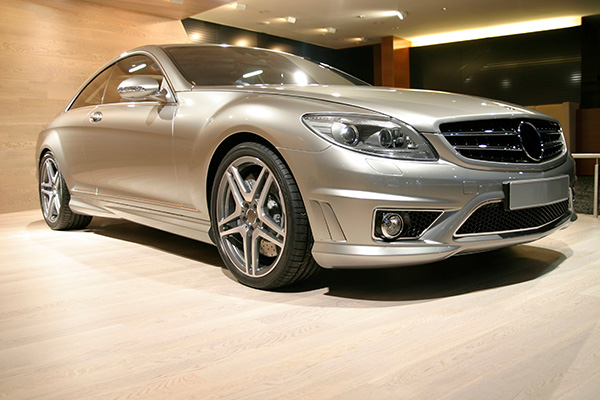
Hitting 100,000 miles in a Mercedes S-Class is a milestone. The car may still feel solid and comfortable, but a lot of critical parts have been working hard for a long time.
This is the point where a smart maintenance plan can keep the car feeling like a flagship instead of letting age catch up all at once.
Why 100,000 Miles Is a Big Deal for an S-Class
The S-Class carries more weight, more electronics, and more comfort features than most vehicles on the road. That means its engine, suspension, and electrical system have had more to do over those first 100,000 miles. Normal wear reaches a point where small leaks, tired bushings, and marginal sensors start to show themselves.
At this mileage, the goal is to move from “fix it when it breaks” to “refresh the important systems before they cause problems.” When we look over higher-mileage S-Class models, we focus on the components that protect reliability, safety, and ride quality first.
Engine, Oil Leaks, and Belts at 100,000 Miles
Under the hood, the priority is making sure the engine is clean, sealed, and breathing properly. Many S-Class engines start to show small oil leaks at common spots like valve covers, front covers, or oil cooler seals around this mileage. A light seep might not drip on the ground yet, but it can swell rubber parts and make future repairs messier if it is ignored.
Typical engine-related items to review around 100,000 miles include:
- Fresh engine oil and filter using the correct Mercedes-approved spec
- Inspection of valve cover, timing cover, and oil cooler areas for leaks
- Replacement of aging drive belts and careful check of belt tensioners
- Air filter and cabin filter replacement if they are past due
- Spark plug replacement if they are at or beyond their interval
Catching leaks and wear here keeps the engine bay cleaner and protects hoses, mounts, and electronics from being soaked in oil over the next several years.
Cooling System and Overheating Prevention
Heat is one of the biggest enemies of long-term reliability. Radiators, hoses, plastic fittings, and thermostats live a tough life on these cars, especially in warmer climates or heavy traffic. By 100,000 miles, coolant often looks tired, and some plastic parts are brittle.
A thorough cooling system check should include pressure testing for leaks, confirming the thermostat operates correctly, and checking the radiator, expansion tank, and hoses for swelling or small cracks. A coolant flush with the proper formula is often due by this point if it has not been done recently. Our technicians like to be sure the cooling system is solid before summer, because a single overheating event can undo a lot of careful maintenance.
Transmission, Driveline, and Differential Care
Many owners assume the transmission is “sealed for life,” but fluid still breaks down over time and use. At 100,000 miles, it is wise to discuss a transmission service if it aligns with Mercedes guidelines for your specific model and year. Fresh fluid and a filter can help the unit shift more cleanly and reduce long-term wear on internal components.
It is also a good time to inspect:
- Driveshaft flex discs and center support bearings for cracking or play
- Differential fluid level and condition
- Any vibrations or noises during acceleration and deceleration
Addressing these items early tends to be far less expensive than waiting until a vibration turns into a failed driveline component.
Suspension, Steering, and Ride Quality Checks
The S-Class ride depends heavily on control arms, ball joints, bushings, and, on many models, air suspension or adaptive dampers. By 100,000 miles, some of these parts are simply tired. You may notice clunks over bumps, a vague steering feel, or uneven tire wear, even if the car still feels “comfortable.”
A proper inspection at this stage should include checking front and rear control arm bushings, ball joints, tie rods, sway bar links, and shocks or air struts for play, leaks, or cracked rubber. On cars with air suspension, we pay special attention to air springs, compressor performance, and ride height sensors. Restoring suspension components here can bring back the tight, confident feel that made the car impressive when it was new.
Electronics, Brakes, and Comfort Features
An S-Class lives on electronics: braking systems, safety aids, and comfort features all rely on clean power and healthy components. Around 100,000 miles, a smart plan looks at both safety and convenience:
- Brake pads, rotors, and brake fluid condition
- ABS and stability control for stored faults or intermittent warnings
- Battery health and charging system performance
- Operation of seat controls, heaters, cooling, and memory functions
- Function of parking sensors, cameras, and basic driver assists your car is equipped with
Some of these checks prevent safety problems, others keep you from slowly “losing” the premium features you paid for. When we go through an S-Class at this mileage, we like to make a clear list of what needs attention now and which comfort items you may want to plan for later.
Get 100,000-Mile Mercedes S-Class Maintenance in Denver, CO, with MB Clinic
We work with higher-mileage Mercedes models every day and know what an S-Class usually needs by the time it reaches 100,000 miles. We can inspect your engine, cooling system, transmission, suspension, brakes, and electronics, then prioritize repairs so you get the most value from every visit.
Call MB Clinic in Denver, CO, to schedule 100,000-mile S-Class maintenance and keep your car driving like a flagship for the next phase of its life.