Posted on 8/31/2026
As autumn brings cooler air and golden Aspen leaves to the Mile High City, early winter weather is never far behind. To ensure your luxury performance vehicle handles unpredictable Colorado road conditions seamlessly, bring your Mercedes to MB Clinic for an autumn check. We recommend focusing on these areas: Tires: Ensure your tires are inflated to the recommended PSI and inspect the tread depth to maintain optimal grip on slick mountain passes. Battery: Freezing mornings can make a seeming healthy car batter fail, so we recommend battery test before the temperatures drop further. Brakes: Wet leaves, autumn frost, and unexpected mountain snow demand peak stopping power. Have your brake pads, rotors, and fluid levels checked to ensure safety on mountain descents. Heating System & Defroster: Test your HVAC system early. A fully functioning heater ... read more
Posted on 8/28/2026

Mercedes-Benz Service A and Service B are scheduled maintenance visits designed to protect vehicle performance, safety, and long-term reliability. Both services include engine oil and filter replacement, fluid checks, tire attention, and a maintenance counter reset, but Service B is generally more extensive. The vehicle’s maintenance system tracks time, mileage, and operating conditions, then displays a message when service is approaching. The exact work can vary by model, engine, model year, equipment, and service history, so the dashboard reminder should be paired with the factory requirements for that specific Mercedes-Benz. When Is Mercedes-Benz Service A Due? Service A is commonly the first major scheduled visit for a newer Mercedes-Benz. It is generally due after the first year or around 10,000 miles, with later visits alternating between Service A and Service B at roughly one-year or 10,000-mile intervals. Those figures are broad guidelines rather than ... read more
Posted on 7/31/2026
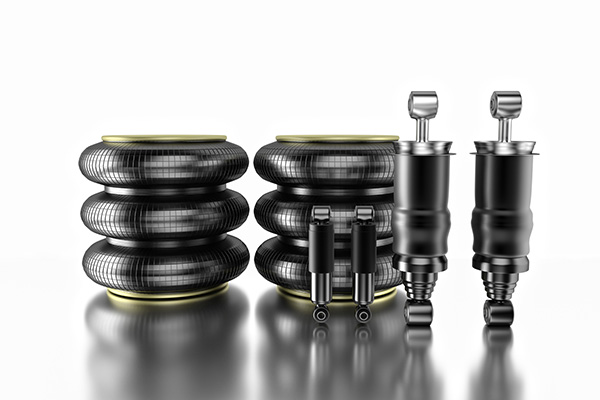
A Mercedes-Benz should not make sharp clicks, dull clunks, or heavy knocking sounds every time the road gets rough. You might hear it over speed bumps, driveway entrances, potholes, broken pavement, or uneven city streets. At first, the sound may occur only occasionally. Then it starts showing up on the same roads every day. Suspension noises are worth taking seriously because they are rarely random. Something is moving, shifting, binding, or wearing more than it should. The tricky part is that several different parts can make similar sounds, especially on a vehicle with a more complex suspension design. Suspension Parts Take A Beating On Rough Roads The suspension has to support the vehicle, absorb bumps, control body movement, keep the tires planted, and allow the steering to respond correctly. Every bump sends force through control arms, bushings, ball joints, sway bar links, struts, shocks, mounts, and steering parts. When those parts are tight and healthy, mos ... read more
Posted on 7/23/2026
MB Clinic is Denver’s premier Mercedes-Benz repair shop. Our factory trained technicians provide comprehensive Mercedes-Benz maintenance services, diagnostics and repairs. We service not only Mercedes passenger vehicles and SUVs, but also Mercedes Metris vans. Metris vans are reliable, but like all vehicles, will require maintenance and repairs. Here are a few of the common Metris van repairs that you are likely to encounter if you own one: Crankcase Ventilation System – the crankcase vent valve is known to fail on the M274 engine. Transmission Fluid and Conductor Plate – delayed shifting, slipping gears or jerking can indicate a faulty conductor plate or need of a new transmission pan and filter. Turbocharger Air Intake Tube – plastic air intake tubes leading to the turbocharger tend to crack due to engine heat, which results in loss of power and the check engine light being illuminated. Emissions and Ignition Misfires – oxygen sensor problems, mass ... read more
Posted on 7/8/2026
Catalytic converters have no moving parts, so they rarely fail. But catalytic converter failure is a possibility – whether due to engine misfires, coolant leaks, leaky fuel injectors, burned engine oil, bad oxygen sensor, or physical damage, to name some of the major culprits. A failing catalytic converter can negatively impact your Mercedes in a variety of ways: performance will suffer, you may notice unusual odors, including the rotten eggs smell, rattling noises, and the check engine light will be illuminated. We highly recommend contacting MB Clinic in Denver to inspect and diagnose the cause of these symptoms as soon as possible. Continued driving with a failed catalytic converter can cause serious engine damage, and in some, fortunately very rare cases, can result in a vehicle fire. Catalytic converters reduce harmful emissions by converting engine exhaust gases (carbon monoxide, hydrocarbons, and nitrogen oxides) into carbon dioxide, nitrogen, oxygen and water vap ... read more
Posted on 7/2/2026
When you press the switch to move a window up or down in your Mercedes, the glass within the door is moved by the window regulator and the window motor – the motor spins, which turns the regulator’s gears, and this moves the glass along a mechanical track. Power window problems in Mercedes-Benz vehicles are frequently caused by a malfunctioning window regulator - over time the regulator gears can wear out and the window can start behaving in a somewhat erratic manner, or simply gets stuck. The reasons are many – age and wear, heat drying out the lubricants causing increased friction, debris clogging the track, to name just a few. Window regulator failure could be sudden, but sometimes you get a warning – you may hear clicking, squeaking or grinding sounds while using the window and the glass may move slowly, unevenly or hesitantly. These warning signs are a good reason to bring your Mercedes to MB Clinic and have our factory trained technicians inspect yo ... read more
Posted on 6/26/2026
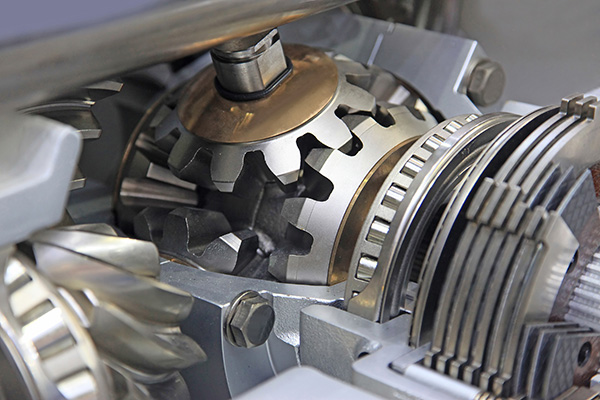
Mercedes-Benz 4MATIC is designed to deliver power with confidence in rain, snow, curves, and quick acceleration. Most drivers do not think about the transfer case when everything feels normal. The vehicle simply grips, turns, and responds the way a Mercedes-Benz should. When the transfer case starts failing, that confident feel can change. The vehicle may shudder, bind, vibrate, hesitate, or feel less stable during turns. Those symptoms can be easy to blame on tires, alignment, or suspension, but the transfer case is one of the key parts that needs to be checked. What The Mercedes-Benz 4MATIC Transfer Case Does The transfer case helps send power from the transmission to the front and rear wheels. In a 4MATIC system, that power split helps the vehicle maintain traction when road conditions change. The transfer case has to work with the drivetrain, wheel speed data, tires, suspension, and electronic controls. When it is healthy, the driver should not feel the system ... read more
Posted on 6/12/2026

A Mercedes-Benz can hide early trouble better than many drivers expect. The ride stays quiet, the engine still feels strong, and the cabin does a good job of keeping out small noises. That makes it easy to wait when a warning sign first appears. The expensive repairs usually do not start that way. They often start as a leak, overdue service, low fluid, a small warning light, or a part that was wearing out quietly for months. 1. Engine Damage From Skipped Oil Service Mercedes engines rely on clean oil that meets the correct specification. Oil protects timing components, camshafts, turbochargers on equipped models, variable valve timing parts, and internal surfaces that cannot tolerate poor lubrication for long. When oil service is delayed, sludge and deposits can build up inside areas that need clean flow. The car may still drive fine while that wear is happening. That is the risky part. By the time the engine starts ticking, running rough, or showing oil pressure concerns, the repa ... read more
Posted on 6/10/2026
Luxury, comfort, and precise handling are some of the reasons drivers choose Mercedes-Benz. The suspension system is crucial to providing the smooth refined ride that the brand is renowned for whether you drive a C-Class E-Class or S-Class. Regular suspension component inspections and maintenance ensure maximum efficiency and protects your investment while maintaining Mercedes performance safety and ride quality. These systems are stable and comfortable but they need to be maintained on a regular basis. Uneven tire wear, steering instability, uneven ride height, excessive bouncing or strange noises could all be signs of a problem. A sagging corner or warning light on an air suspension vehicle may be a sign of problems with the compressor, air strut, or electronic control parts. As the car ages, air suspension problems are among the more frequent suspension-related repairs for Mercedes models with AIRMATIC air spring bellows (rubber air springs) since they deteriorate with the p ... read more
Posted on 5/6/2026
Mercedes-Benz vehicles are engineered for quality, and their brake system is no exception. But engineering precision by itself will not carry the day – regular maintenance is a necessity. At MB Clinic we offer comprehensive Mercedes-Benz services, diagnostics and repairs. Thus, naturally, we offer Mercedes brake fluid replacement. Our factory trained technicians follow Mercedes-recommended procedures, using brake fluid that meets Mercedes-Benz specifications to maintain optimal hydraulic pressure and consistent stopping power. This service is typically performed every two years, often as part of Service B maintenance, to prevent moisture buildup and maintain braking efficiency. Brake fluid transfers force from the pedal to the calipers which press the brake pads to the rotors, and the friction thus generated slows down and stops the vehicle. During braking, brake fluid is heated to high temperatures. Over time heat cycling and moisture contamination can reduce its boiling point ... read more