A Mercedes-Benz should not make sharp clicks, dull clunks, or heavy knocking sounds every time the road gets rough. You might hear it over speed bumps, driveway entrances, potholes, broken pavement, or uneven city streets. At first, the sound may occur only occasionally. Then it starts showing up on the same roads every day.
Suspension noises are worth taking seriously because they are rarely random. Something is moving, shifting, binding, or wearing more than it should. The tricky part is that several different parts can make similar sounds, especially on a vehicle with a more complex suspension design.
Suspension Parts Take A Beating On Rough Roads
The suspension has to support the vehicle, absorb bumps, control body movement, keep the tires planted, and allow the steering to respond correctly. Every bump sends force through control arms, bushings, ball joints, sway bar links, struts, shocks, mounts, and steering parts.
When those parts are tight and healthy, most impacts are absorbed without sharp noise. When rubber cracks, joints loosen, mounts wear, or hardware shifts, the force of the bump turns into a click, clunk, knock, or rattle.
A noise over bumps does not always mean something is about to fall apart, but it does mean the suspension is no longer as quiet and controlled as it should be.
Control Arm Bushings Are A Common Source Of Mercedes-Benz Clunks
Many Mercedes-Benz models use control arm bushings to cushion suspension movement. These bushings are made from rubber or fluid-filled material that isolates road harshness while keeping the control arm in the correct position.
Over time, the rubber can crack, split, collapse, or separate from the metal sleeve. When that happens, the control arm can shift slightly during braking, turning, or hitting bumps. That movement can create a dull clunk from the front suspension.
Worn bushings can also cause uneven tire wear, a loose steering feel, brake shimmy, or a slight pull. The sound may be more noticeable at low speeds because road and wind noise are lower.
Ball Joints And Tie Rods Can Make Sharp Knocking Sounds
Ball joints and tie rods allow the wheels and steering to move while keeping everything securely together. When these joints wear, they can develop play. That play can create clicking, knocking, or popping sounds when the suspension loads and unloads.
A worn ball joint may knock over bumps or pop during turns. A worn tie rod can create looseness in the steering and a clunk when the wheel changes direction. These parts should not be ignored because they affect steering control and tire contact with the road.
A proper inspection checks for looseness, torn boots, rust, grease loss, and abnormal movement. Some worn joints make noise before they feel loose from the driver’s seat, so a hands-on check is important.
Sway Bar Links And Bushings Can Rattle Over Small Bumps
If the noise sounds like a light rattle, tapping, or quick clunking over small bumps, sway bar links and sway bar bushings are strong suspects. The sway bar helps reduce body roll during turns, and the links connect it to the suspension.
When sway bar links wear out, they can knock as the suspension moves side to side. Worn sway bar bushings can also allow the bar to shift and make noise against its mounts. These sounds can be annoying because they may happen constantly on rough pavement.
Sway bar problems do not always create a big steering complaint right away, but they still affect suspension stability and should be repaired before the looseness spreads to other parts.
Strut Mounts, Shock Mounts, And Air Suspension Parts Can Be Noisy
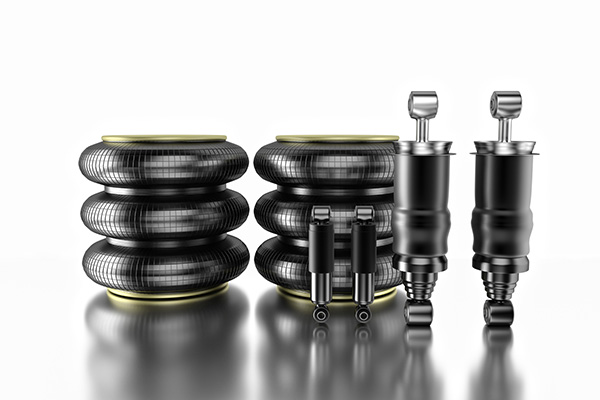
Many Mercedes-Benz vehicles use struts, shocks, or air suspension components that rely on mounts, bushings, and hardware to stay quiet. A worn upper strut mount can knock when the wheel moves up and down. A loose or damaged shock mount can make a hollow thud from the front or rear of the vehicle.
On Mercedes-Benz models with air suspension, noise can come from air struts, worn mounts, leaking air springs, height sensor issues, or suspension components that are no longer sitting at the proper ride height. A vehicle that sits low on one corner or changes height overnight needs attention.
Suspension noise should be checked along with ride height, leaks, control arm condition, and scan data when equipped systems are involved.
Brake And Wheel Parts Can Mimic Suspension Noise
Not every noise over bumps comes from the suspension. Loose brake hardware, worn caliper slides, missing clips, pad movement, cracked wheel liners, loose underbody panels, or wheel bearing play can all sound like suspension trouble.
A brake-related clunk may happen when hitting a bump, then disappear when the brake pedal is lightly pressed. A loose shield can rattle over rough roads. A wheel bearing with play can create movement that sounds like a knock.
That is why the entire corner of the vehicle should be checked. Focusing only on control arms or struts can miss the real source.
Why Mercedes-Benz Noise Diagnostics Need Careful Testing
A road test helps identify when the noise happens, but it is only the start. The vehicle may need to be lifted, loaded, unloaded, and inspected from different angles. Some parts only make noise when weight is on the wheels. Others show wear more clearly when the suspension hangs free.
Mercedes-Benz suspension designs can use multiple arms, links, bushings, sensors, and mounts. Replacing the loudest-looking part without confirming the source can lead to frustration. A careful diagnostic process checks the noise pattern, visible wear, joint movement, bushing condition, ride height, tires, brakes, and steering components.
Regular maintenance also helps catch cracked bushings, leaking struts, loose hardware, and uneven tire wear before the noise becomes stronger.
Get Mercedes-Benz Suspension Noise Diagnostics In Denver, CO, With MB Clinic
If your Mercedes-Benz clicks, clunks, knocks, rattles, or thuds over bumps, MB Clinic in Denver, CO, can inspect the suspension, steering, brakes, wheels, mounts, and related components to find the source.
Because MB Clinic works exclusively on Mercedes-Benz vehicles, we understand their suspension designs and the common wear patterns they develop.
Contact us to schedule an appointment.