Posted on 6/26/2026
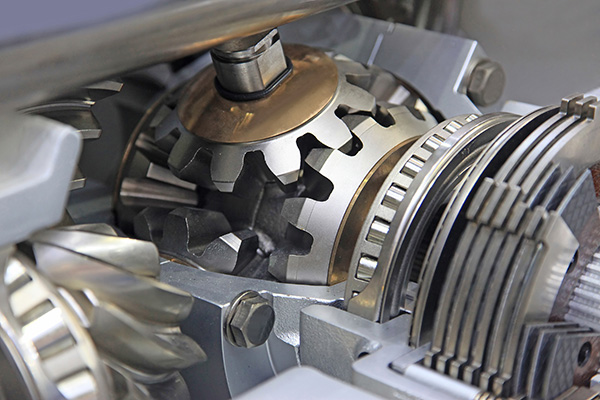
Mercedes-Benz 4MATIC is designed to deliver power with confidence in rain, snow, curves, and quick acceleration. Most drivers do not think about the transfer case when everything feels normal. The vehicle simply grips, turns, and responds the way a Mercedes-Benz should. When the transfer case starts failing, that confident feel can change. The vehicle may shudder, bind, vibrate, hesitate, or feel less stable during turns. Those symptoms can be easy to blame on tires, alignment, or suspension, but the transfer case is one of the key parts that needs to be checked. What The Mercedes-Benz 4MATIC Transfer Case Does The transfer case helps send power from the transmission to the front and rear wheels. In a 4MATIC system, that power split helps the vehicle maintain traction when road conditions change. The transfer case has to work with the drivetrain, wheel speed data, tires, suspension, and electronic controls. When it is healthy, the driver should not feel the system ... read more
Posted on 6/12/2026

A Mercedes-Benz can hide early trouble better than many drivers expect. The ride stays quiet, the engine still feels strong, and the cabin does a good job of keeping out small noises. That makes it easy to wait when a warning sign first appears. The expensive repairs usually do not start that way. They often start as a leak, overdue service, low fluid, a small warning light, or a part that was wearing out quietly for months. 1. Engine Damage From Skipped Oil Service Mercedes engines rely on clean oil that meets the correct specification. Oil protects timing components, camshafts, turbochargers on equipped models, variable valve timing parts, and internal surfaces that cannot tolerate poor lubrication for long. When oil service is delayed, sludge and deposits can build up inside areas that need clean flow. The car may still drive fine while that wear is happening. That is the risky part. By the time the engine starts ticking, running rough, or showing oil pressure concerns, the repa ... read more
Posted on 6/10/2026
Luxury, comfort, and precise handling are some of the reasons drivers choose Mercedes-Benz. The suspension system is crucial to providing the smooth refined ride that the brand is renowned for whether you drive a C-Class E-Class or S-Class. Regular suspension component inspections and maintenance ensure maximum efficiency and protects your investment while maintaining Mercedes performance safety and ride quality. These systems are stable and comfortable but they need to be maintained on a regular basis. Uneven tire wear, steering instability, uneven ride height, excessive bouncing or strange noises could all be signs of a problem. A sagging corner or warning light on an air suspension vehicle may be a sign of problems with the compressor, air strut, or electronic control parts. As the car ages, air suspension problems are among the more frequent suspension-related repairs for Mercedes models with AIRMATIC air spring bellows (rubber air springs) since they deteriorate with the p ... read more